
Walking Hellfire Pass: What to Know Before You Go
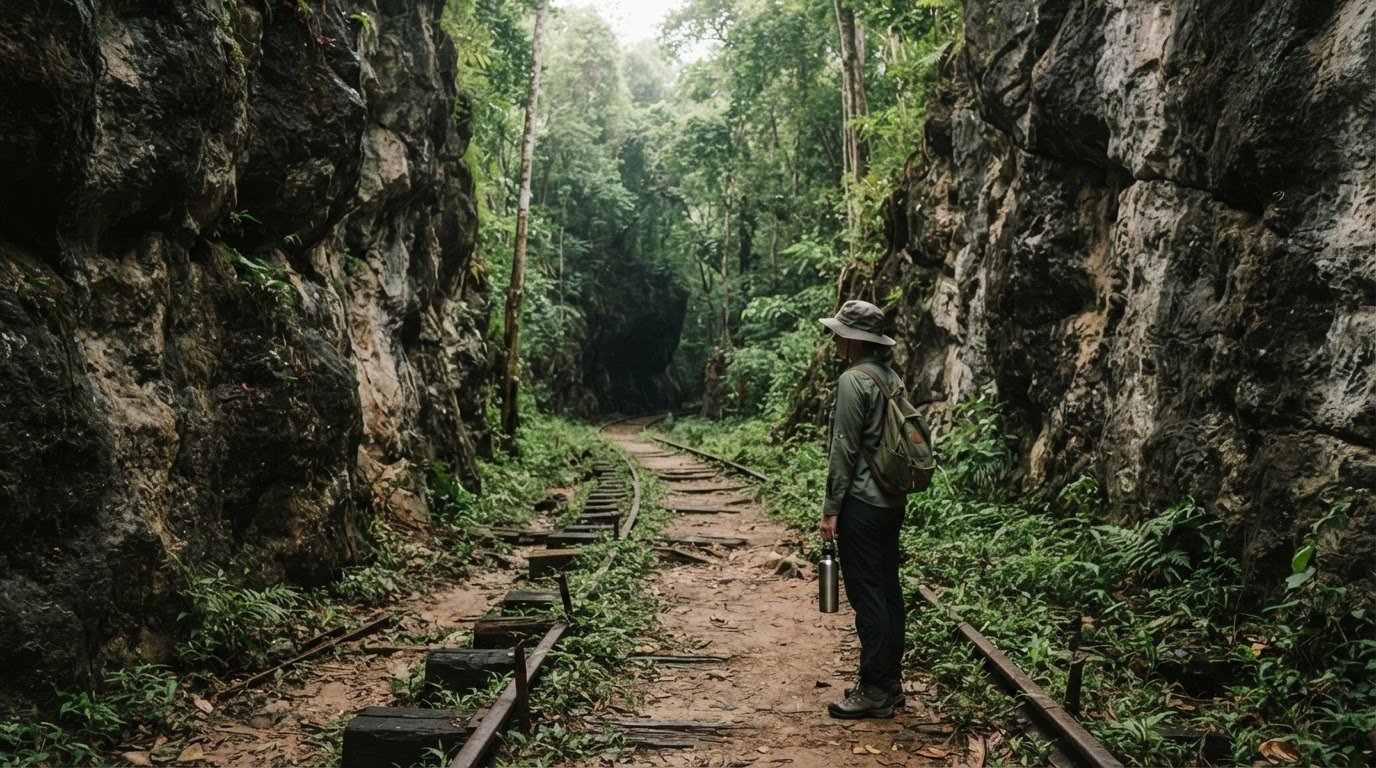
What should you know before walking Hellfire Pass? Start with the trail and the memorial setting. The route can be uneven, with steep sections, and the heat and humidity call for careful pacing, drinking water and suitable footwear. This is also a place of remembrance, where the history deserves your attention and respect.
It’s understandable to want clear advice on what to bring, how much time to allow and how the short and long trails differ. This guide covers practical preparation, the Interpretive Centre’s resources and ways to approach the site with care.
Before planning your visit, check current access information. As of 27 September 2026, the Interpretive Centre and walking trail are temporarily closed due to heavy rain, flooding and landslide risk. When access resumes, allow time to learn about the railway and reflect on the lives lost during its construction.
Key Takeaways
- Hellfire Pass is a railway cutting and memorial site. Approach the walk as an act of remembrance, not simply a scenic outing.
- Plan a considered pace and leave time to pause along the trail.
- Check visitor notices and prepare essentials such as water, sun protection and suitable footwear.
- Use the Interpretive Centre’s resources to understand the history, and give personal accounts your full attention.
- A fully escorted, expert-guided military history group journey can connect Hellfire Pass with the wider Thailand-Burma Railway story.
Walking Hellfire Pass: Understand the Place Before You Set Out
If you’re searching for walking Hellfire Pass what to know, begin by understanding the place you’re visiting. Hellfire Pass is a railway cutting on the former Thailand-Burma Railway, built during the Second World War. The name refers to a section of the line, while the site also serves as a place of remembrance. The cut rock and surviving railway route make the history tangible, but this is not simply a scenic bush walk. Allow time to learn, walk quietly and reflect.
The railway was constructed under Japanese military control using forced labour, including Allied prisoners of war and Asian labourers known as rōmusha. Their experiences were not identical, and the hardships they endured should not be reduced to a single account. For a broader overview of the site’s history and memorial purpose, see the Hellfire Pass Wikipedia article.
What does the Hellfire Pass walk involve?
The walking trail follows sections of the former railway through cuttings and jungle. Expect a landscape shaped by the railway’s construction, rather than a path designed solely for scenery. The Interpretive Centre provides historical context, while time on the trail lets visitors encounter parts of the route in place. These are distinct parts of a visit, so leave room for both when access allows.
Why is Hellfire Pass a place of remembrance?
The railway’s construction relied on forced labour in brutal wartime conditions. Prisoners of war and rōmusha faced hardship, illness and loss, though their circumstances differed. The memorial setting invites visitors to consider those human experiences with care, not to treat the cutting as a dramatic backdrop or the walk as a challenge to conquer.
The railway cutting is both a physical record of forced labour and a memorial to the people who endured it.
Approach the trail at a measured pace. Pause to read interpretive material, consider the landscape and make room for quiet reflection. If you’re visiting with others, keep conversation low and avoid treating personal accounts as background entertainment. Respectful attention is part of understanding the site.
Check current visitor information before making plans. As of 27 September 2026, the Interpretive Centre and walking trail are temporarily closed due to heavy rain, flooding and landslide risk. Access can change, so check official notices before travelling. A thoughtful visit begins with knowing where you’re going and why the place matters.
Read the Trail Conditions and Plan a Comfortable Pace
When considering walking Hellfire Pass, what to know depends partly on the day. Heat, humidity, your fitness and the condition of the route can all affect how demanding the walk feels. Another visitor’s experience won’t predict yours, so don’t treat a personal account or a fixed time estimate as a measure of what you should manage.
Prepare for physical effort without assuming every visit will feel the same. Your comfort can change with the weather and ground conditions, and a route that feels manageable at first may become harder later. Check official visitor information for updates on access and conditions. If the trail is closed, postpone the walk rather than travelling on an assumption.
How demanding is the Hellfire Pass walk?
Difficulty is personal. Consider how you usually manage walking, heat and uneven or changing ground, then plan cautiously. You don’t need to complete every part of the route for the visit to be meaningful. Rest when you need to, and turn back if the walk stops feeling comfortable or safe. Give yourself room to make that decision without pressure.
How can you manage heat and energy on the trail?
Carry drinking water and take regular breaks rather than waiting until you feel depleted. Wear comfortable walking footwear suited to the conditions, and use sun protection. Check the weather and current trail advice before you leave, and adjust or delay your plans if conditions make walking uncomfortable. There’s no single pace to follow.
Make the walk about steady attention, not distance or speed. A pause gives you time to listen, read interpretive material and reflect. If you’re visiting with others, agree that anyone can stop or turn back without holding the group to a timetable. Keep enough energy for the return journey, and don’t let a planned schedule override how you feel on the day.
Review official visitor information before travelling for changes to access, route guidance or safety requirements. Recheck close to your visit, as conditions can shift. If the weather or route conditions make the walk uncomfortable, choose a more limited visit or wait for safer conditions. A measured approach helps you care for yourself while respecting the memorial setting.
For travellers who value historical context and group support, a fully escorted, expert-guided Burma-Thailand railway journey can place the walk within the wider story. Explore guided Burma-Thailand railway journeys as one way to visit Hellfire Pass with informed interpretation.
Use This Checklist to Prepare for Walking Hellfire Pass
Before setting out, organise your essentials and check the latest visitor notices. Use this list as a prompt, then follow current instructions from the site.
What should you bring on the walk?
Pack for comfort and changing conditions, but keep your belongings light. Water, sun protection and footwear you can walk in comfortably are practical basics. A charged phone is useful for essential communication and reference; a camera is optional. Use either discreetly, and don’t let taking photos distract from the memorial setting or other visitors.
- Drinking water: Carry enough for your planned visit, and don’t assume facilities will be available.
- Sun protection: Bring suitable protection for the day’s weather, such as a hat and sunscreen.
- Comfortable footwear: Choose shoes suited to walking and the reported route conditions.
- Charged phone: Charge it before leaving, and keep it accessible without using it constantly on the trail.
- Light belongings: Take only what you need and follow site guidance about bags, photography and conduct.
What should you check before arriving?
Current access information is essential. Check official visitor notices close to your travel date for opening details, temporary closures and trail updates. As of 27 September 2026, the Interpretive Centre and Memorial Walking Trail were temporarily closed because of heavy rain, flooding and landslide risk. The Centre’s usual published hours are daily from 9 am to 4 pm, but closure notices take precedence.
- Confirm the site is open and the trail is accessible on the day you plan to visit.
- Review current route and safety notices, then follow any directions from site staff.
- Check official information for available facilities and audio-guide arrangements, including availability and return instructions.
- Look for scheduled maintenance or holiday closures as well as weather-related updates. The 2027 annual maintenance closure is scheduled for 3-23 May.
Don’t rely on an old itinerary, a past visitor account or a search result that may not reflect current conditions. If official information indicates a closure, change your plans rather than travelling on an assumption. Once access is confirmed, use the checklist again on the day: prepare for the weather, carry what you need and follow site guidance.
In short: check access, pack water and sun protection, wear suitable shoes, charge your phone and follow the latest site instructions. A little preparation helps you focus on the place and its history.

Walk, Listen and Remember at the Interpretive Centre
The Interpretive Centre and walking trail offer different ways to engage with Hellfire Pass. Centre displays and interpretive resources provide context for the route; on the trail, the landscape gives that interpretation a physical setting. You might visit the centre before walking to orient yourself, or afterwards to reflect on what you’ve seen. Allow time for both rather than treating the centre as a quick stop between other activities.
Walking Hellfire Pass involves listening as well as preparing for the route. Personal accounts are not background entertainment. Give testimony your attention, pause if a story calls for reflection, and avoid rushing from one recording or display to the next. The aim is not to absorb everything at speed, but to make room for the people whose experiences are represented.
How can the audio guide shape the walk?
Audio-guided interpretation can connect historical accounts with the places visitors encounter along the former railway. Listen at a pace that lets you take in the words and notice your surroundings. If a testimony is difficult to hear, pause rather than pressing on simply to finish the route. Check official visitor information for current audio-guide availability, languages, borrowing arrangements and return instructions before travelling.
How do you visit a memorial site respectfully?
Follow posted instructions and guidance from centre staff. Keep your voice low, give other visitors space and leave memorial areas undisturbed. If you take photographs, do so discreetly and avoid capturing people who are reflecting without their permission. Put your phone away if it distracts you from the site or interrupts another visitor’s quiet.
Small choices help protect the atmosphere of remembrance. Save group conversations for appropriate places, and don’t play audio aloud. If you’re visiting with children or companions, explain that the site calls for care before you enter. This doesn’t require silence at every moment; it means being alert to the setting and the needs of those around you.
Check official notices before making plans. As of 27 September 2026, the Interpretive Centre and Memorial Walking Trail were temporarily closed because of heavy rain, flooding and landslide risk. Recheck current access information before travelling, and follow any instructions in place when the site reopens. Audio-guide arrangements and facilities can also change, so rely on current official visitor information rather than older accounts.
A guided visit can add context by connecting Hellfire Pass with the wider Thailand-Burma Railway story. Historic War Tours’ fully escorted, expert-guided military history group journeys include Burma-Thailand railway itineraries that visit Hellfire Pass. Explore guided Burma-Thailand railway journeys if you value historical context and group support as part of a considered visit.
Make Hellfire Pass Part of a Thoughtful Guided Journey
A visit to Hellfire Pass can gain wider meaning when you understand how the cutting relates to the Thailand-Burma Railway as a whole. A guided journey is one way to connect individual places with the railway’s history, hear relevant context and approach each memorial with care. It doesn’t replace time for personal reflection; it can help you see how a particular site fits within a much larger story.
What can guided historical context add?
At a railway heritage site, knowledgeable interpretation can explain the relationships between locations and the people whose experiences shaped them. It also gives you a chance to ask questions and consider different accounts in context. The focus should remain on learning and remembrance, not treating the visit as entertainment. Take time to listen, reflect and form your own understanding.
Looking beyond the trail itself helps put the visit in context. The railway’s history extends across more than one place, and the memorial walk is one part of that account. A guided visit can help bring those connections into view while leaving space to encounter each site at your own pace.
How can you continue exploring the railway’s history?
Consider a Burma-Thailand railway journey if you want to explore the history through a broader regional perspective. Historic War Tours organises fully escorted, expert-guided military history group journeys in Southeast Asia, including Burma-Thailand railway itineraries that visit Hellfire Pass. Guided historical context can link the places visited without reducing their significance to a checklist of stops.
As you consider a journey, think about what helps you engage with heritage sites: time to listen, context that connects locations, or the support of travelling as part of a group. Explore Historic War Tours’ guided journeys at your own pace, and review the relevant itinerary information as you plan. Check official site notices for current access before arranging a visit, since visitor information can change.
Hellfire Pass asks for more than preparation for the walk. It calls for attention to the people remembered there and the wider history of the railway. Whether you visit independently or as part of a guided journey, leave room to listen, learn and reflect. A measured step, taken with understanding, is a fitting way to honour the site.
Carry the History Forward
A visit to Hellfire Pass can stay with you long after you leave. Let what you’ve learned shape how you speak about the site and the people remembered there. Knowing what to expect when walking Hellfire Pass is about more than preparation: it’s about arriving with attention, humility and a willingness to listen.
If you’d like to place this visit within a wider journey, Historic War Tours offers fully escorted military history group tours and expert-guided visits to significant wartime heritage sites. Explore Historic War Tours’ guided Burma-Thailand railway journeys and consider whether a group journey suits the way you want to learn and remember.
Take time to approach the site thoughtfully. May your visit deepen your understanding of the railway’s history and honour the lives it touched.
Frequently Asked Questions
How difficult is the walk at Hellfire Pass?
The walk can feel moderately or very demanding, depending on your fitness, the weather and the route conditions on the day. Uneven terrain and heat may add to the effort, so don’t judge your readiness by another visitor’s account. Check official trail advice before setting out, take breaks when needed and turn back if you feel unwell or uncomfortable. A shorter visit can still be meaningful.
How long does it take to walk the Hellfire Pass trail?
Allow about 45-60 minutes for the short trail to Konyu Cutting and back. The longer trail follows more of the former railway and can take about 2-4 hours for a return walk. These are estimates, not a timetable; your pace, pauses and conditions affect the time. Check current official route information before planning, especially as the trail is temporarily closed as of 27 September 2026.
What should I wear when walking Hellfire Pass?
Wear comfortable, sturdy walking shoes suited to uneven outdoor ground, and choose light clothing appropriate for hot, humid weather. A hat and sun protection can help you prepare for exposure. Dress for the conditions rather than assuming the route will be cool or shaded. Check the forecast and site guidance before leaving, and avoid footwear that’s difficult to walk in.
Can children walk the Hellfire Pass trail?
Children may be able to walk the trail, but suitability depends on their age, confidence, stamina and the conditions at the time. Consider whether they can manage the planned distance and stay comfortable outdoors, with enough time for breaks. Explain beforehand that this is a memorial site, where quiet and considerate behaviour matters. Check current access guidance and choose a visit that works for the whole family.
Is the Hellfire Pass walking trail open every day?
No. Although the Interpretive Centre’s usual hours are daily from 9 am to 4 pm, scheduled closures and temporary conditions can affect access. The centre closes for annual maintenance and has specified holiday closures. As of 27 September 2026, the centre and walking trail were temporarily closed due to heavy rain, flooding and landslide risk. Check official notices before travelling, as the status may change.
What happens at the Hellfire Pass Interpretive Centre?
The centre helps visitors understand the railway and the people affected by its construction through historical interpretation and personal accounts. It can provide context before you walk or a place to reflect afterwards. Audio guides have also been available for the trail, though arrangements can change. Check current official information for access, resources and facilities, and allow time to engage with the material without rushing.
Can you walk Hellfire Pass without a guide?
Yes, visitors can explore independently when the site is open, using the centre’s interpretation and any audio-guide resources available at the time. Check the latest official visitor information for route instructions and requirements. When operating, the long trail requires visitors to carry a safety radio. A guide can add context and connect the site with the wider railway story, while independent visitors should follow all posted directions.