When walking Hellfire Pass, what to know covers vital trail preparation, key historical advice, and practical tips to ensure a safe, deeply respectful visit.
Wondering what to expect visiting Hellfire Pass? Learn how to prepare, explore the walking trails and visit the Interpretive Centre with respect and care.
Planning a Burma railway prisoners of war tour? Discover how to choose a respectful, historically grounded journey to honour Allied POWs with expert guidance.
Discover the profound history of Allied POWs on a Thai-Burma Railway guided tour. Learn key sites, Hellfire Pass, and how to plan a respectful journey today.
Plan your Anzac Day Kanchanaburi tour to honour history at Hellfire Pass and the Thai-Burma Railway. Essential travel advice, tips and commemorative insights.
Attend the Anzac Day dawn service Hellfire Pass. Discover its deep history, what to expect on the day, and essential travel tips for a moving experience.
Wondering how to attend Anzac Day dawn service in Thailand in 2026? Discover Hellfire Pass details, travel tips, registration advice, and tour options here.
Explore meaningful Anzac Day tours Southeast Asia. Discover dawn services, military heritage sites and expert historical guides across Thailand and Vietnam.
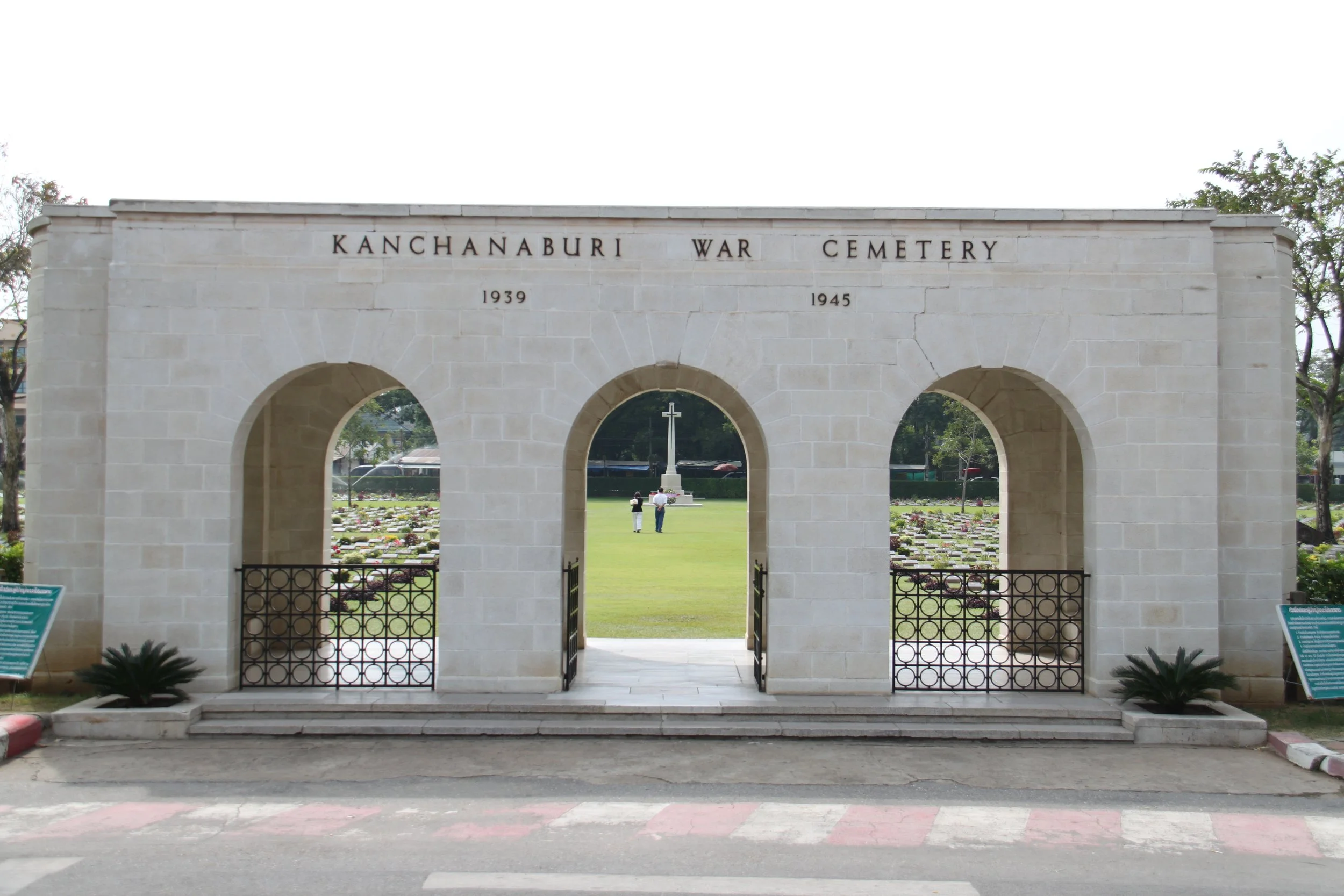
For anyone visiting the Kanchanaburi War Cemetery, it is not evident that the graves before them, have been relocated to this site after the end of the war. We discover that, in some cases, burial may not have been as straight forward as we would expect. Sometimes there can be an interesting (if a little macabre) story behind a soldier’s burial and their final resting place. This one such story.
The 1st July marks the anniversary of the sinking of the Montevideo Maru in 1942. An incident that remains today, the largest loss of Australian life in a maritime disaster. And what makes it worse, it was a result of ‘friendly fire’.